Best VALORANT Teams Ranking 2026: Top 10 for the 2027 Cups
- LOUD1
- Team Vitality2
- Paper Rex3
- 100 Thieves4
- Nongshim RedForce5
Trend of the day · SportSport

Riot's open door pays new teams $100,000 to $400,000 for qualifying, but visas, travel and the five-player roster rule all remain.
For four years, a fixed group of partner teams played in the top VALORANT leagues. From 2027, any team will be able to fight its way into world events through open tournaments.
Japan's big teams, such as ZETA DIVISION and DetonatioN FocusMe, will return to play at home (source).
What does this change mean for people like the readers of this page: fans, young players dreaming of going pro, team owners, sponsors, and cities that host events? What is likely to happen to esports in Japan and the rest of Asia next? What should these people do now?
In plain words: VALORANT — a five-against-five team shooting video game; esports — video games played as professional competitions; ZETA DIVISION — a top Japanese esports team; DetonatioN FocusMe — a top Japanese esports team; Riot Games — American video game company that makes VALORANT; Mynavi News — a Japanese tech and lifestyle news website; Cups — Riot's new open tournaments replacing leagues in 2027; VALORANT Champions Tour — Riot's yearly world professional VALORANT circuit
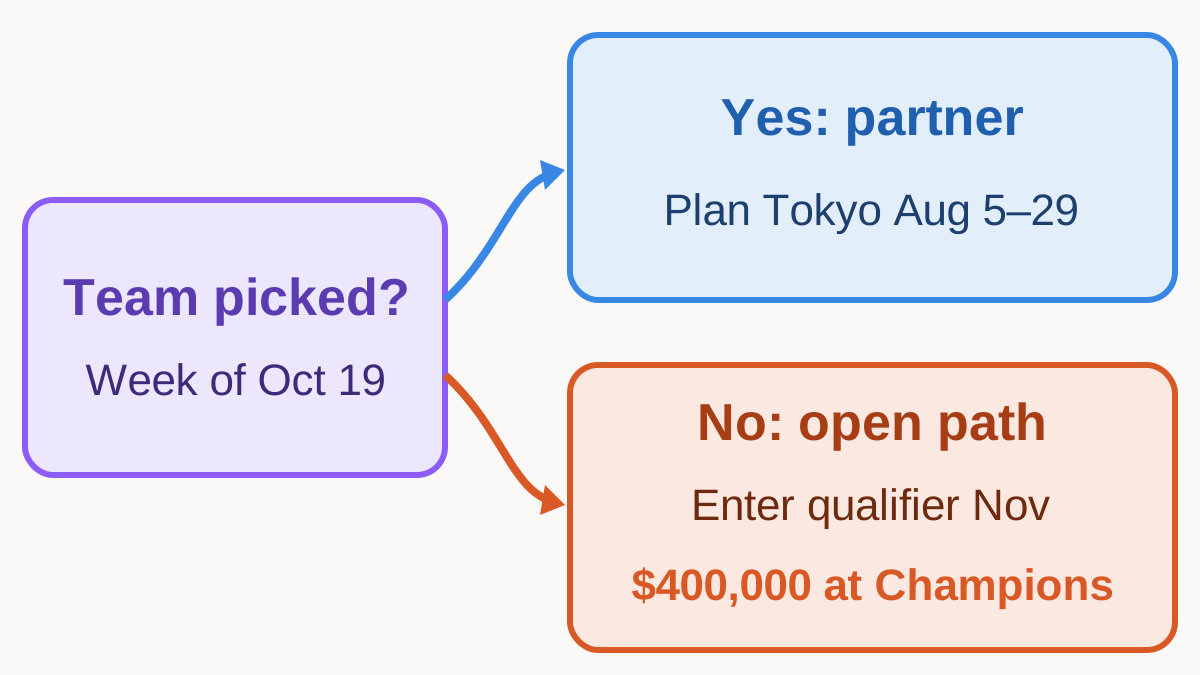
Lock in five players and valid passports before the November 2026 open qualifiers.
A five-friend squad can now earn $100,000 just by qualifying, but only a stable roster gets there.
What not to do: Don't book flights or sign deals before Riot's official partner list and ticket details.
The way into world events is open to anyone. Before, Japanese teams had one promotion tournament a year. Now there are several chances, and the payout comes with qualifying, not only with winning.
The money rewards results; it is not a salary. Teams that keep at least three of five players keep their points. Travel and visas across Bangkok, Manila and Tokyo still cost effort.
Build your team before November. Young players, form a five-player team and check passports this week. If your squad is ready, register for the November qualifiers; if not, use the newly freed Global Esports players or wait for spring. Fans, mark August 5–29, 2027 for Tokyo, but wait for official tickets before booking.
This is what most AIs advise. Each AI explains it in its own words below.
The answers agree the closed league is over. From November 2026, open qualifiers let any five-player squad reach world events. Riot pays open teams $100,000 for a season opener or Cup, $200,000 for Masters and $400,000 for the Champions final, on top of prize money. Tokyo hosts a Pacific Cup on August 5–29, 2027, and ZETA DIVISION and DetonatioN FocusMe return to domestic play.
They split on how settled the partner list is. Gemini names the eight Pacific partners as fact. Claude notes that on October 19 only team self-announcements exist: RRQ in; Nongshim RedForce, KIWOOM DRX and Global Esports out. Global Esports, the 2026 Pacific champion, is leaving esports to become an AI studio.
They also differ on risk. Kimi and Meta stress the opportunity. DeepSeek and Gemini stress that the money follows results and the travel burden stays. Partners keep only a guaranteed spot at the Kickoff opener; after that they must keep winning. Teams that keep three of their five players keep their points.
Asia gets separate qualifier zones for Japan, Korea and Southeast Asia, so more local teams and home crowds are likely. South Asia has lost its only partner team.
They split: Gemini lists the eight partners as fact; Claude says nothing is official yet.
What settles the dispute: Riot's official partner list and the first Kickoff results will show who is right.
No clear split: USA and China AIs gave the same facts; Chinese ones stressed sponsors and cities more.
What is confirmed and what is not
The AIs cited 42 sources
Ask any AI yourself
I have four friends who play VALORANT at Ascendant rank. How do we prepare for the November 2026 open qualifiers in my region?
Copy it and paste it into a chat with any AI
Who wins, who loses: Small qualifying teams and host cities gain; weaker big organizations lose safe seats.
Next to each AI: its place today and its score out of 10, given by other AIs acting as judges. Tap an answer to read it.
For fans, the change means more surprises and fewer safe seats. A team does not need a long-term deal to reach the world stage any more. Riot will pay teams that come up through the open qualifying rounds $100,000 for reaching the season-opening Kickoff or a Cup, $200,000 for Masters and $400,000 for Champions, the world final.
That money comes on top of prize money, and travel costs are covered (news.mynavi.jp). A smaller group of partner teams still gets a guaranteed place. In Asia-Pacific that group shrinks from 10 teams to 8 (strafe.com). Over the weekend Nongshim RedForce and KIWOOM DRX said they had not been picked.
RRQ said it had (vlr.gg). Global Esports, which won the 2026 Pacific Stage 2, is leaving esports to become an AI studio, and its players are now free agents (strafe.com).
This matters most for young players, team owners and host cities. Open qualifying rounds start in November 2026 (gosugamers.net). Japan gets its own qualifying zone, and the Philippines, Malaysia and Singapore share one Southeast Asia zone (tribune.net.ph).
That gives an unsigned Japanese squad a real road to the world stage, not just one promotion tournament a year. Riot's Japan manager Ken Fujita says that single tournament, called Ascension, used to be the only way up (news.mynavi.jp). In 2027 the Pacific circuit visits Bangkok for Kickoff (January 14 to February 7), Manila for Cup 1 (April 29 to May 23) and Tokyo for Cup 2 (August 5 to 29) (gosugamers.net).
South Asia has just lost its only partner team, and a replacement looks unlikely (strafe.com). Riot's exact qualifying rules and Japan's 2027 live events are not confirmed yet (news.mynavi.jp).
Fans: watch your team's social accounts this week, from today, October 19, as teams post whether they were picked. If your team was picked, plan for August 5 to 29 in Tokyo. If not, look for its open qualifying games from November. Young players: build a full five-player team before November.
If you already have one, enter the open qualifying round for your zone. If not, use the free agents who are on the market right now. Sponsors: wait for Riot's official partner list before you sign a deal, then back one partner team and one open team.
Its own forecast: ZETA DIVISION is named as a 2027–2028 VCT Pacific partner team in an official Riot post or in ZETA's own announcement — 55% chance by Nov 18, 2026
The real shift for Japan is not the end of leagues; it is that a five-person team can now reach the world stage without a partner slot. Riot will pay $100,000 for qualifying for Kickoff or a Cup, $200,000 for Masters and $400,000 for Champions, on top of prize money (valorantesports.com).
For fans, Mynavi’s Riot interview says the top Japanese teams will play domestic events while still chasing international slots, so local crowds get more chances to see them without flying to Korea (news.mynavi.jp); for young players, Japan’s open qualifier starts in early November and Riot says to spend the coming weeks building a roster and checking passports (valorantesports.com).
That money is tied to winning, not to showing up: Pacific’s partner pool shrank from ten to eight, and even those eight are not guaranteed a place in every Cup (vlr.gg, valorantesports.com).
Team owners should budget travel to Bangkok, Manila and Tokyo separately, because a qualification reward is not an upfront travel grant; sponsors get both paid partners and underdog stories to sell, and Tokyo gets a dated Cup from Aug. 5–29, 2027 (sheepesports.com, en.koreadaily.com).
Across Asia, expect more cross-border qualifiers and a heavier visa and travel load; the old Korea-based league already burdened non-Korean teams, and spreading events across Bangkok, Manila, Tokyo and Seoul shifts that burden rather than removing it (news.mynavi.jp).
Check the official open-qualifier page today, Monday, October 19, young players with four teammates and a coach; if you are only a fan, put Tokyo’s Aug. 5–29 dates in your calendar and wait for Riot’s ticket post before booking travel. If you run a team, line up travel money and passports before November; if you sell sponsorship, build a package around the Manila-to-Tokyo run rather than a single league season.
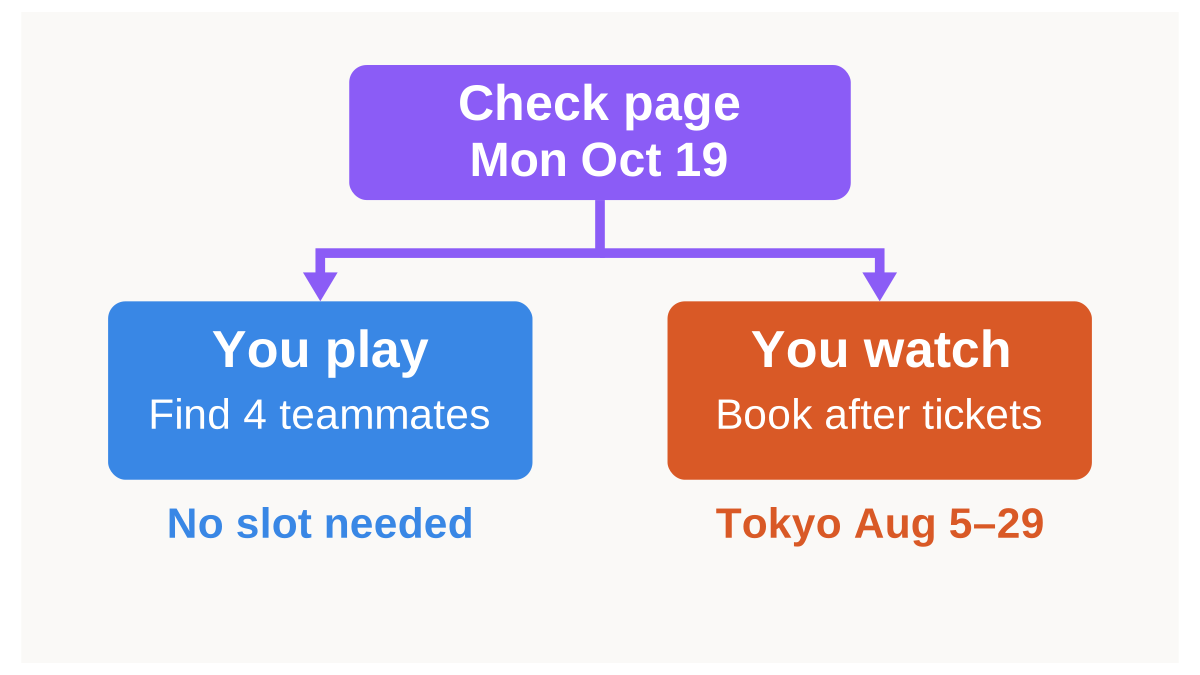
Its own forecast: Riot will publish a full-year 2027 VCT calendar with exact dates for all Cups on an official Riot channel by 2026-12-31 — 60% chance by Dec 31, 2026
The closed club is ending, and that is good news for almost everyone in Japan. From 2027, any five-player team can fight through open tryout tournaments into world events, and teams that qualify get $100,000 just for reaching a Cup or the season opener, $200,000 for a Masters, and $400,000 for Champions — money on top of prize money, with more than $6 million in prize pools across the year.
Japan's best-known teams, ZETA DIVISION and DetonatioN FocusMe, will come back home and play in domestic tournaments while still chasing international events, and Tokyo hosts the second Pacific Cup with a live finals weekend in August 2027. Riot's Japan manager Ken Fujita says the goal is a clearer ladder: local qualifiers, then Cups, then Masters, so fans get weekend events they can actually attend instead of a faraway weekly league.
This changes the next step for several readers, not just fans. Young players: the first open tryouts for 2027 start in November 2026, there are several chances each year, and a team that keeps at least three of its five players keeps its points — so a run does not die after one bad weekend.
Team owners and sponsors: Asia-Pacific goes from ten guaranteed-seat partner teams to eight, and after the season opener even partner teams must keep winning to stay in, so two big organizations are about to lose their seat and sponsorship money will flow toward whoever qualifies. Cities across Asia — Bangkok, Manila, Seoul, Tokyo — get sold-out arena weekends and visiting fans; Riot shared $86 million from in-game item sales with teams last year, which is what pays for all this.
Act this week, fans: if you dream of going pro, gather four friends, register for the November 2026 open tryouts, and check Riot's esports site for your region's entry rules; if you just love watching, mark August 2027 for Tokyo and set a ticket alert, because weekend finals will sell out fast; if you run a business, sponsor an unknown team now while a deal is cheap, because $100,000 in guaranteed qualification money makes a small team suddenly bankable.
The one group that should worry: the big organizations sitting near the bottom of the Pacific league — in this new world, losing means starting over at the open tryouts like everyone else.
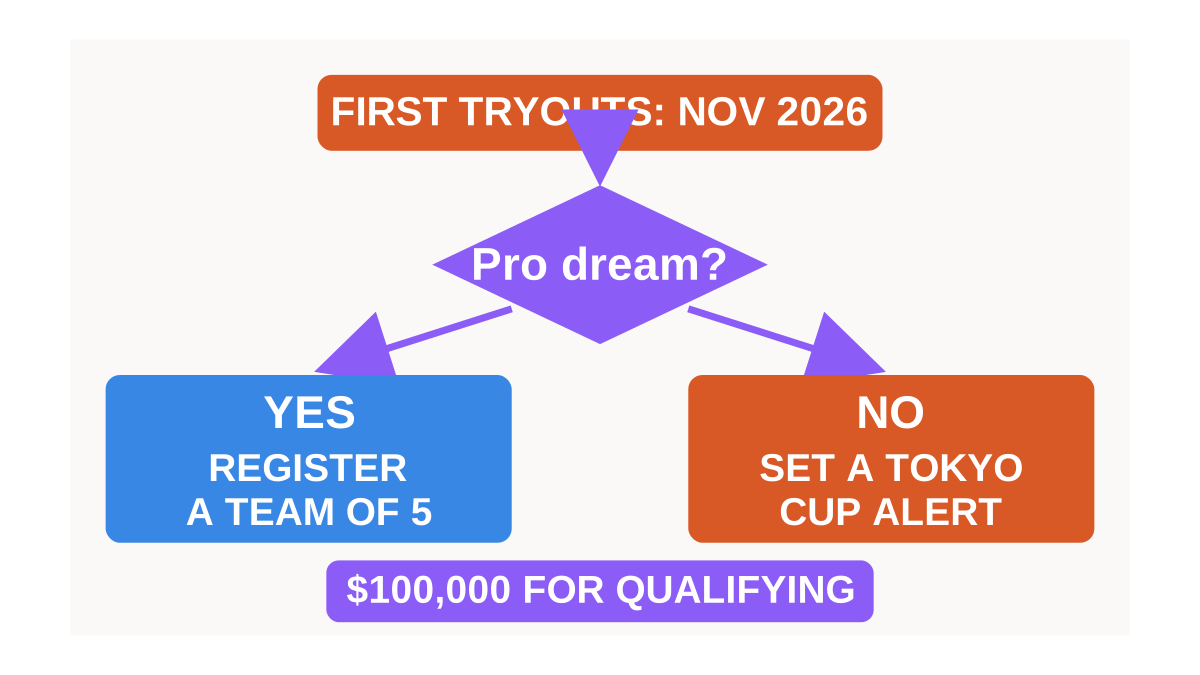
Its own forecast: Riot officially announces the eight VCT Pacific 2027 partner teams, and both ZETA DIVISION and DetonatioN FocusMe are on the list — 60% chance by Dec 15, 2026
Ending the closed four-year league turns professional VALORANT from a private club of 44 fixed teams into an open race across more than 50 tournaments in 15 cities. For fans in Japan, top matches leave the single studio in South Korea and visit Bangkok, Manila, and finally Tokyo from August 5 to 29, 2027.
For young players, any five-person squad that keeps at least three of its five starters together can climb from open November 2026 qualifiers all the way to the world championship and collect up to $1,100,000 in fixed qualification payouts ($100,000 per regional event, $200,000 for an international Masters, and $400,000 for the Champions world finals) on top of over $7,000,000 in prize money.
For team owners and sponsors across Asia, the safety net is gone because Riot Games cut its Asia-Pacific partner list down to eight teams on October 19, 2026. While Japan's Crazy Raccoon — a club funded by fans with zero corporate sponsors — joined the partner list alongside T1, Paper Rex, Rex Regum Qeon, and FULL SENSE, former champions like India's Global Esports and South Korea's DRX were rejected, and Japan's DetonatioN FocusMe saw its partner status disputed across early reports before losing its slot.
Even the eight chosen partners only get guaranteed entry into the January 2027 Kickoff in Bangkok and a share of in-game weapon skin sales, meaning sponsors must shift from buying year-round logo placement to backing teams that actually win matches.
Lock in your five-player roster and passport paperwork by October 31, 2026, young players and team managers: if at least three of your five players can commit through October 2027 and renew their passports now, register for the November 2026 Open Qualifiers to chase the $100,000 Kickoff payout; if not, skip the November qualifiers and build a stable roster during the winter for the spring Open Playoffs before the Manila and Tokyo Cups.
Fans and local businesses in Japan should wait for the official partner roster announcement this week before spending money: if your favorite Japanese club is confirmed for the January 14, 2027 Bangkok Kickoff, book winter travel; if not, save your budget for the August 2027 Tokyo Cup and local qualifier watch parties.

Its own forecast: ZETA DIVISION is officially confirmed by Riot Games or the organization itself as one of the eight VCT Pacific Partner Teams for the 2027-2028 cycle — 78% chance by Nov 18, 2026
For fans, the big change is that Japan’s top teams can return to domestic competition while newcomers get a route into the same tournament ladder. Riot says the 2027 tour will span 15 cities and more than 50 tournaments; Tokyo is scheduled to host the Pacific Cup from August 5–29, 2027, and open qualifiers begin in November 2026 (valorantesports.com; sheepesports.com).
That could make more matches feel consequential, though a short tournament can also mean an early exit and less time in the spotlight (news.mynavi.jp).
For young players and team owners, the door opens wider, but a qualification spot is earned through results: partner teams start with direct entry to Kickoff, while later progress depends on performance. Riot’s stated payments for open teams are $100,000 for Kickoff or a Cup, $200,000 for Masters, and $400,000 for Champions, separate from prize money; the amounts may help with costs, but they do not guarantee a lasting income (valorantesports.com).
In Japan, Riot’s manager said the returning top teams could give domestic players more chances to face stronger opponents; whether that produces more international success remains to be seen (news.mynavi.jp).
Check, fans, by November 2026: if you want to follow a new contender, watch the open qualifiers; if you mainly follow ZETA DIVISION or DetonatioN FocusMe, follow their results as they try to earn their way forward (valorantesports.com; news.mynavi.jp).
My forecast: by June 20, 2027, at least one Pacific team that was not a partner will qualify for Masters Valencia — probability 55% (valorantesports.com; valorantesports.com).

Its own forecast: At least one Pacific team that was not a partner qualifies for Masters Valencia. — 55% chance by Jun 20, 2027
The wall between pros and everyone else falls in a few weeks: from November 2026, any five players — including a squad from a Japanese gaming café — can enter free open qualifiers, and simply reaching a world event pays $100,000 to $400,000 even with zero wins, per Riot's own rules.
Fans get the biggest gift: Tokyo proper hosts a Pacific Cup (a short knockout tournament) on August 5–29, 2027 — earlier "Tokyo" events actually ran in Chiba halls, per Mynavi. And ZETA DIVISION and DetonatioN FocusMe, Japan's two most famous teams, come home after four years playing league seasons from bases in Korea, as Riot's Japan manager told Mynavi on October 16.
For team owners and sponsors, the money math flips: instead of one promotion slot per year via the old Ascension ladder, Riot now pays non-partner clubs fixed sums — $100,000 for a Cup, $200,000 for a Masters, $400,000 for Champions — before a cent of the $6-million-plus annual prize pools, and a strong season can bank an unknown team over $1.1 million.
Asia's map splits into 14 qualifier sub-regions, so Japan, Korea, Thailand, Vietnam and Indonesia each get their own road in, creating local teams and hometown audiences for sponsors to back. Cities win too: the 2027 tour runs 50-plus events across 15 cities, with Tokyo joining Rio, Istanbul and Shanghai as an August Cup host.
Check valorantesports.com today, October 19: if you run a five-player team, register the moment open-qualifier sign-ups open for the November start — and keep at least three of your five players all season or you forfeit your points; if you only watch or invest, book Tokyo for August 2027 now.
Team owners should also weigh Riot's new two-year partner applications — clubs like Sentinels and LOUD have already confirmed 2027 partner spots, so apply through Riot's regional offices this month. Sponsors: lock Japanese team deals before the November qualifiers crown new local heroes.
Its own forecast: Riot's official 2027 VCT Pacific partner-team announcement names ZETA DIVISION among the partner teams (on valorantesports.com or Riot's official VALORANT Esports channels; if no list is published by the date, the forecast fails) — 70% chance by Dec 31, 2026
Japanese fans will get a top-level VALORANT tournament at home next August in Tokyo, and strong local teams no longer need to live abroad for months just to stay in the big circuit.
Open events starting in November 2026 let any squad fight for spots, with $100,000 paid simply for reaching a Kickoff or Cup, $200,000 for Masters, and $400,000 for the world final, on top of prize money. That makes watching and playing more accessible for ordinary supporters and aspiring pros who previously hit a hard wall after one yearly promotion chance.
Team owners and sponsors now face real competition because the old fixed partner list no longer guarantees every later event; performance decides most spots after the opening Kickoff.
Cities and venue operators gain more hosting chances across 15 places and over 50 events, but must compete harder for the same limited calendar windows. Asia’s scene, especially Japan, can grow faster as talent stays home and new groups earn money without first becoming official partners.
Fans, check the open qualifier dates this week and mark 5–29 August 2027 for the Tokyo Cup if you want to attend; if you prefer only the biggest names, wait for the partner list that teams are confirming now. Young players and small team owners, register for November opens if you already have a solid group; if not, build one before then so you can chase the paid spots instead of hoping for one rare promotion.

Its own forecast: At least three Japanese organizations will publicly confirm open-qualifier registration for the 2027 Pacific Kickoff by early November — 65% chance by Nov 10, 2026
For fans it is the end of a closed club. After four years where only partner teams held the top spots, from 2027 any five friends who hit Ascendant can enter open qualifiers, face ZETA DIVISION and DetonatioN FocusMe at home, and reach the world stage. If you make a Cup, Riot pays $100,000 before prize money, $200,000 for Masters and $400,000 for Champions.
For owners and sponsors the risk flips. Big orgs lose their locked Pacific slot and must re-earn it in two Cups, including Tokyo from 5 to 29 August, part of a tour across 15 cities and more than 50 tournaments. Small orgs and college stacks can now turn a November qualifier run into real cash and a live final, which makes Tokyo, Manila and Seoul a local business story, not just a stream.
Open your calendar today, October 19, fans — if you play ranked, grab four friends and register for the November Kickoff qualifiers; if not, set alerts for Tokyo Cup tickets for August and pick one open team to follow. Grind to Ascendant now and scrim the legends who are coming home, while sponsors should call those teams this week before prices move.
Its own forecast: At least one Japanese team that entered through open qualifiers reaches VCT Pacific Cup 2 in Tokyo — 68% chance by Aug 29, 2027
For everyday fans and young players, the closed club of guaranteed pro spots is dead, meaning anyone with a good squad can enter public tryouts starting next month to win a shot at the global stage. This brings the biggest stars back to local arenas like Tokyo in August 2027, turning regular city weekends into massive festival events instead of just watching online.
For local hotels and travel agencies, the new tournament model brings over fifty short-term visitor spikes to fifteen host cities next year, replacing long league seasons with intense, high-spending weekend crowds. Sponsors and team investors must now fund multiple public tryouts instead of paying guaranteed yearly salaries, shifting their money toward scouting hidden talent rather than banking on safe, established brands.
Check the tournament calendar today, October 19, 2026; if you are a young player, register for the November public tryouts, but if you are just a regular fan, book a trip to Tokyo before the August 2027 matches sell out. Big teams will no longer have guaranteed seats, so every match will be a sudden-death fight for survival starting next year.
Its own forecast: At least two former VCT Pacific partner teams announce they will skip the 2027 open qualifiers. — 35% chance by Nov 15, 2026
For fans, this means no more locked-out top leagues — local amateur teams you watch at small venues can now make it all the way to global stages, and Japan’s top domestic sides will play far more home matches instead of traveling abroad constantly. Young pro hopefuls no longer need to wait for a rare partner team spot to compete at the highest international level.
Sponsors and host cities now have far more open slots to back local qualifiers or bid for regional tournament stops, instead of only negotiating with a small fixed set of existing partner teams. Smaller Japanese and Southeast Asian cities that never hosted top VCT events before now have a realistic shot at running official cup rounds.
Fans, act today: if you have a local amateur team you follow, grab their qualifier schedule now; if you are a young player looking to go pro, sign up for the first open local qualifier before entries close this week.

Its own forecast: At least 12 new amateur teams from Japan will register for the first 2027 VCT Japan open qualifier — 75% chance by Nov 10, 2026
Two Top 10 lists on this story: the AIs' answers merged into one list, with a reason and a link for each place.
Your forecast first — then we show what 10 AIs forecast.
Will Riot publish official 2027 Cups details by next Monday?
We’ll know the answer
Details published — 5 AIsYou are here
🇺🇸ChatGPT🇨🇳Qwen🇺🇸Gemini🇨🇳Z.ai🇨🇳Wenxin
ChatGPT: Riot has already published the tour plan and is expected to name partner teams soon.
No details — 5 AIsYou are here
🇨🇳DeepSeek🇺🇸Grok🇺🇸Meta🇺🇸Claude🇨🇳Kimi
DeepSeek: Riot posted the schedule and format earlier; a fresh details post this week is unlikely
We check it on: valorantesports.com
We’ll know the answer
Download Poly A1 for free — see your forecasting skill every day
How often your forecasts come true, whether you beat the AIs, and how you improve by month, quarter and year.


Will Netflix's share price be higher on Wednesday than on Tuesday?
Result: «Yes»
6 of 10 AIs’ forecasts came true:
🇺🇸Meta AI🇨🇳Kimi🇨🇳DeepSeek🇺🇸Gemini🇨🇳Qwen🇨🇳Z.ai
Checked on: finance.yahoo.com



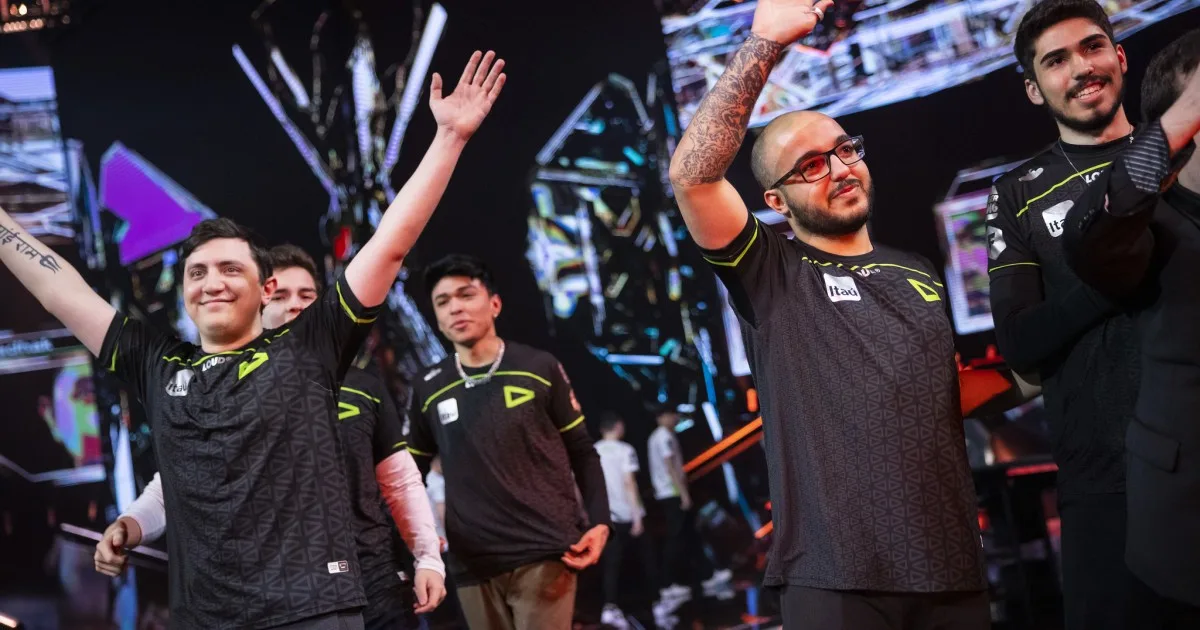
Riot Games has announced VCT 2027, a big rebuild of the VALORANT Champions Tour. The current league-heavy setup will be replaced by a tournament-first design. It uses open qualifiers, regional LAN events and more direct roads to Masters and Champions. Starting in 2027, any team can begin the climb to the biggest events through open qualifiers. VALORANT Esports Global Head Leo Faria sums it up in the announcement video: "Everything is a tournament."
To see why this matters, the article looks back at the old dream of lower-tier teams: Ascension. In 2023, 2024 and 2025, teams outside the top leagues had one goal, which was to reach VCT Americas, VCT CN, VCT EMEA or VCT Pacific. They had to get through their regional circuit, qualify through Challengers and then win Ascension. That was the main yearly way into the top level, and only from there could a team work toward Masters and Champions.
Ascension was dramatic, but it was harsh. You either made it or you did not, and there was only one promotion window each year. A team could be strong for most of the year, slip once near the end, and lose the whole year's reward. The article says this makes great stories but wastes too many good teams. It points to Rare Atom, who finished runner-up in Ascension CN three times and still stayed outside the top tier.
The article calls 2026 a bridge year. The season still runs on Kickoff, Stage 1, Stage 2 and the global events. But Riot added a Path to Champions for Challenger teams, which lets four Challenger teams in each region enter the Stage 2 playoff route and try to reach Champions. The writer sees this as a step away from the idea of being promoted into Tier 1, and toward teams making repeated runs at the biggest tournaments.
The 2027 plan rests on three principles, and the first is that the path to global events should be open. The road to every Masters and Champions event will start with open qualifiers for teams around the world. Riot says these could include community tournaments, partner events, collegiate events, Premier and more. They will feed into VCT Cups, which are LAN events that replace regular season league play. Each Cup ends with a finals weekend for fans and sends teams straight to the year's biggest events. There will be two Cups per territory per year, eight in total.
Region still counts. Open qualifiers widen access, but they lead into territory-based paths, so teams will probably need to pick a home region and commit to it. Kickoff stays too, and it will also be open to any team, with its qualifiers held in the fourth quarter of the previous year, after Champions. The season flows like this: Kickoff open qualifiers, Kickoff, Masters 1, open qualifiers, Cup 1, Masters 2, open qualifiers, Cup 2, Champions.
The writer says Riot is mixing two eras. One is the open spirit of early VALORANT in 2021 and 2022, when teams fought their way up through tournaments. The other is the partnership era from 2023 to 2026, which gave selected organizations money, structure and long-term support. Riot even says that in extraordinary cases, top teams that are not partners could earn more than weaker partner teams. Tier two has long been criticized for lacking support, and Riot's answer seems to be to merge everything into a single tier, so the gap between teams comes from skill and not from limited partner slots.
Pujan "FNS" Mehta, the Masters Reykjavík 2022 champion, reacted on Twitter: "Open Qualifiers are the only reason I was able to make a team and make our way up to what you know as Envy/Optic."
Partnership is not going away. A new two-year partnership cycle starts in 2027. Teams will be judged on community growth, fandom and content resonance, business sustainability, operational excellence and growth in competitive performance. Partner teams will keep meaningful benefits, and some people will dislike that. The writer argues that a fully open circuit sounds romantic, but a global esport needs stable, trusted organizations that can carry the business side. The problem in the first partnership cycle was that those teams sat too permanently at the center, and VCT 2027 seems to loosen that gate.
Riot also promises more money and support deeper in the system. Tournaments in 2027 will have total yearly prize pools of over $6 million. Cup teams will get faster access to funds so they can handle visas and travel. A portion of the money is set aside for Game Changers. There will be over 20 tournaments a year in more than 16 cities. Cups will use a mix of Riot studios and custom venues.
The article notes that recent seasons already moved toward live events outside the international tournaments. China toured seven cities this year, and other leagues held their season finals in different cities and countries. VCT 2027 makes this travelling style a core part of the calendar. The writer asks whether it could bring more visa and logistics trouble, especially for players and teams from countries with weaker passports. Even big organizations like Sentinels still face such problems.
In the end, the writer calls VCT 2027 Riot's most ambitious answer yet to the old access problem. It does not tear down the hierarchy, but it makes the dream feel alive again. The writer adds that real openness depends on numbers we do not yet have: how many partner teams stay, and how many Cup spots are open to everyone.
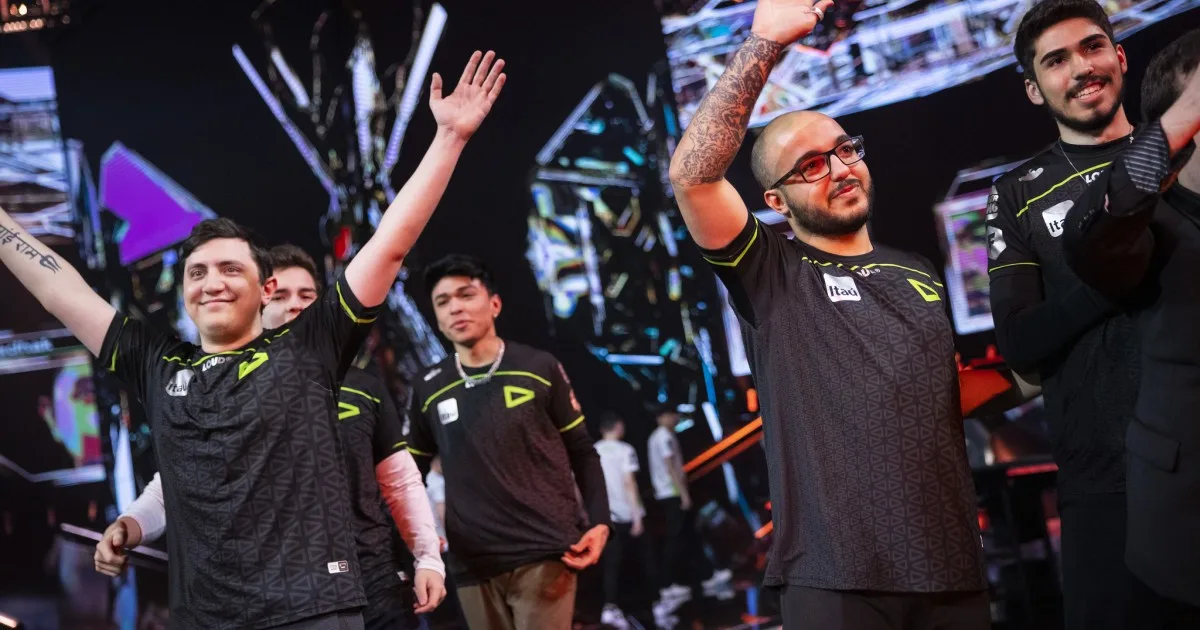
Riot Games has announced VCT 2027, a big rebuild of the VALORANT Champions Tour. The news came out of Los Angeles. The current setup leans heavily on leagues. The new one is built around tournaments, open qualifiers, regional events played in person, and more direct roads to Masters and Champions. Leo Faria, VALORANT Esports Global Head, said in the announcement video: "Everything is a tournament."
The page first looks back at the old dream for teams outside the top leagues in 2023, 2024 and 2025. They wanted to reach VCT Americas, VCT CN, VCT EMEA or VCT Pacific. To get there, a team had to get through its regional circuit, qualify through Challengers, and then win Ascension. Ascension was the one yearly promotion path. You either made it or you didn't, and a miss meant starting the climb again. A team could be strong for most of the year, slip once near the end, and lose the whole year's reward. The page says this made good stories but burned through too many good teams. As an example, Rare Atom finished runner-up in Ascension CN three times and still stayed outside the top tier.
The page calls 2026 a bridge year. The season still has Kickoff, Stage 1, Stage 2 and the global events. But Riot added a Path to Champions for Challenger teams. Four Challenger teams in each region can enter the Stage 2 playoff route and try to reach Champions. The article sees this as a move away from promotion into Tier 1 and toward repeated direct runs at the biggest events.
In 2027, every road to Masters and Champions starts with open qualifiers. They will be open to teams around the world. Routes may include community tournaments, partner events, collegiate events, Premier and more. These qualifiers feed into new events called VCT Cups. Riot says Cups are played in person, replace regular season league play, end with a finals weekend for fans, and send teams straight to the biggest events. There will be two Cups per territory each year, eight in total.
Region still matters, though. Teams will probably need to pick a home region and commit to it. Kickoff stays too, and it will also be open to any team, with qualifiers in the fourth quarter of the year before, after Champions. The season runs like this: Kickoff open qualifiers, Kickoff, Masters 1, open qualifiers, Cup 1, Masters 2, open qualifiers, Cup 2, and Champions.
The article says this mixes two eras. One is the open spirit of early VALORANT in 2021 and 2022. The other is the partnership era of 2023 to 2026, which brought money, structure and long-term support for chosen organizations. Riot even says that in rare cases, top teams that are not partners could earn more than weaker partner teams. The writer reads this as Riot ending the split between tiers and merging everything into one, so the gap between teams comes from how well they play, not from a limited number of partner slots. Pujan "FNS" Mehta, the Masters Reykjavík 2022 champion, wrote on Twitter: "Open Qualifiers are the only reason I was able to make a team and make our way up to what you know as Envy/Optic."
Partnership is not going away. A new two-year partnership cycle starts in 2027. Teams will be judged on community growth, fandom and content appeal, business health, how well they run things, and how their competitive results develop. Partner teams will still get real benefits. The page admits some people will dislike this. Its view is that a fully open circuit sounds romantic, but a global esport needs stability, dependable organizations, trust in how they operate, and teams that can carry the business side. The first partnership cycle's problem was that partners sat too firmly at the center, and the page says 2027 loosens that grip.
More money is promised deeper in the system. Yearly prize pools will total over $6 million. Cup teams will get faster access to funds so they can pay for visas and travel. Part of the money is set aside for Game Changers. Riot says there will be over 20 tournaments a year in more than 16 cities worldwide. Cups will use a mix of Riot studios and custom venues. China already toured seven cities this year, and other leagues held finals in different places, but 2027 makes touring a core part of the calendar.
The page raises one worry: more cities and countries could mean more visa and travel trouble. These problems have long hit players and teams from countries with weaker passports, and they still come up now, even for big organizations like Sentinels.
In the end, the page calls VCT 2027 Riot's most ambitious answer so far to the access problem. It does not flatten the hierarchy, but it makes the dream feel alive again. How open it really is depends on numbers not yet known: how many partner teams stay, and how many Cup spots can be won.
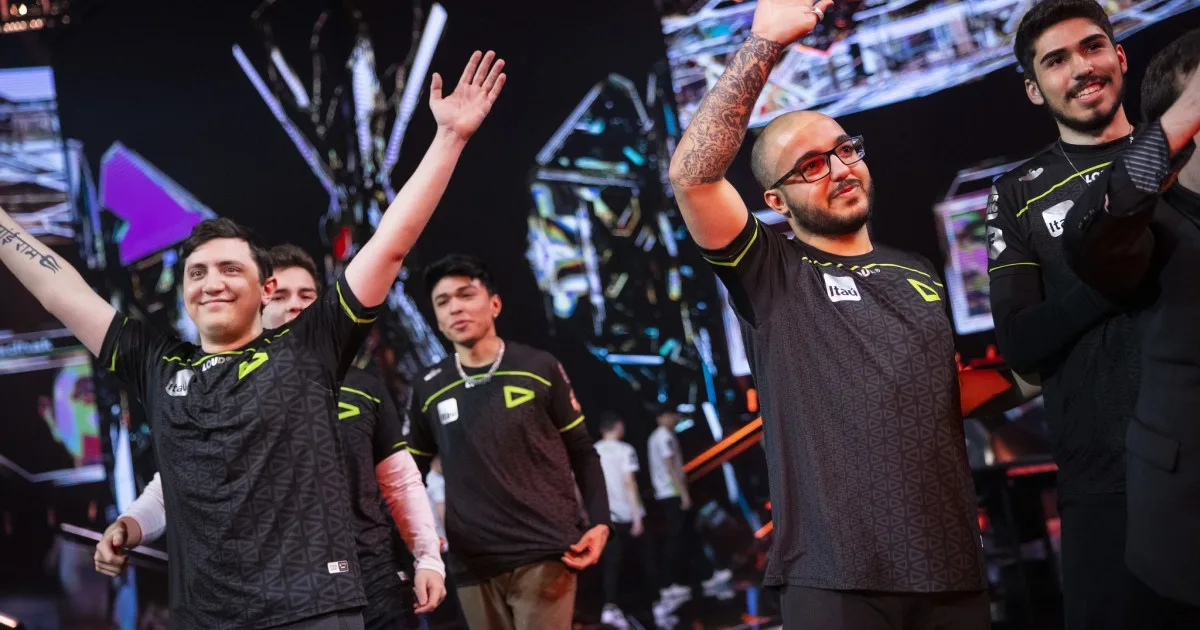
Riot Games has announced VCT 2027, a big rebuild of the VALORANT Champions Tour. The old setup, which leaned heavily on leagues, will give way to a system built around tournaments. It will have open qualifiers, regional LAN events and more direct routes to Masters and Champions. VALORANT Esports Global Head Leo Faria sums it up in the announcement video: "Everything is a tournament."
To see why this matters, the article looks back at Ascension. In 2023, 2024 and 2025, teams outside the top leagues had one main goal: reach VCT Americas, VCT CN, VCT EMEA or VCT Pacific. They had to get through their regional circuit, win through Challengers and then win Ascension. Only after that could they aim for Masters and Champions.
Ascension gave smaller teams hope, but it was harsh. There was only one chance a year. A team could be strong for most of the season, slip once near the end, and lose the whole year's reward. The article points to Rare Atom, who finished runner-up in Ascension CN three times and still stayed outside the top tier.
2026 was a bridge year. The season still had Kickoff, Stage 1, Stage 2 and the global events. But Riot added a Path to Champions, which lets four Challenger teams per region enter the Stage 2 playoff path and try to reach Champions. The article sees this as a move away from promotion into Tier 1 and toward repeated direct runs at the biggest events.
In 2027, the road to every Masters and Champions event starts with open qualifiers. Teams from anywhere can enter. The routes may include community tournaments, partner events, collegiate events, Premier and more. These qualifiers feed into new events called Cups. Riot says Cups are played on LAN, replace regular season league play, end with a finals weekend for fans, and send teams straight to the biggest events. There will be two Cups per territory each year, eight in total.
Region still counts. The qualifiers are open, but they lead into territory-based paths, so teams will probably have to pick a home region and stick with it. Kickoff stays too, and it will also be open to any team. Its qualifiers will be held in the fourth quarter of the year before, after Champions.
The season order is: Kickoff open qualifiers, Kickoff, Masters 1, open qualifiers, Cup 1, Masters 2, open qualifiers, Cup 2, and Champions.
The article says this mixes two eras. One is the open spirit of early VALORANT in 2021 and 2022, when teams fought their way up through tournaments. The other is the partnership era from 2023 to 2026, which brought money, structure and long-term support to chosen organizations. Riot even says that in rare cases, top teams that are not partners could earn more than weaker partner teams. Tier two has long been criticized for lacking support, and Riot's answer looks like merging everything into a single tier. Masters Reykjavík 2022 champion Pujan "FNS" Mehta wrote on Twitter: "Open Qualifiers are the only reason I was able to make a team and make our way up to what you know as Envy/Optic." (Open qualifiers are the only reason he could build a team and climb to what people know as Envy and Optic.)
Partnership is not going away. A new two-year partnership cycle starts in 2027. Teams will be judged on community growth, fandom and content appeal, business sustainability, operational excellence and growth in competitive performance. Partner teams will keep real benefits. Some people will dislike that, but the article says stability and trustworthy organizations matter for a global esport. The problem in the first cycle was that partners sat too permanently at the center, and the new design loosens that.
Riot also promises more money and support further down the system. Yearly prize pools will be over $6 million. Cup teams will get faster access to funds so they can handle visas and travel. Part of the money will go to Game Changers.
There will be over 20 tournaments a year in more than 16 cities worldwide. Cups will use a mix of Riot studios and custom venues. This builds on recent seasons, when China toured seven cities this year and other leagues held their finals in different cities and countries. The article warns that more travel could mean more visa and logistics trouble, especially for players and teams from countries with weaker passports. Even big organizations like Sentinels still face this.
The writer calls VCT 2027 Riot's boldest answer yet to the problem of access. It does not flatten the hierarchy, but it makes the dream feel alive again. Still, how open it really is depends on numbers nobody has yet: how many partner teams stay in the picture, how many Cup spots are open, and other small details.
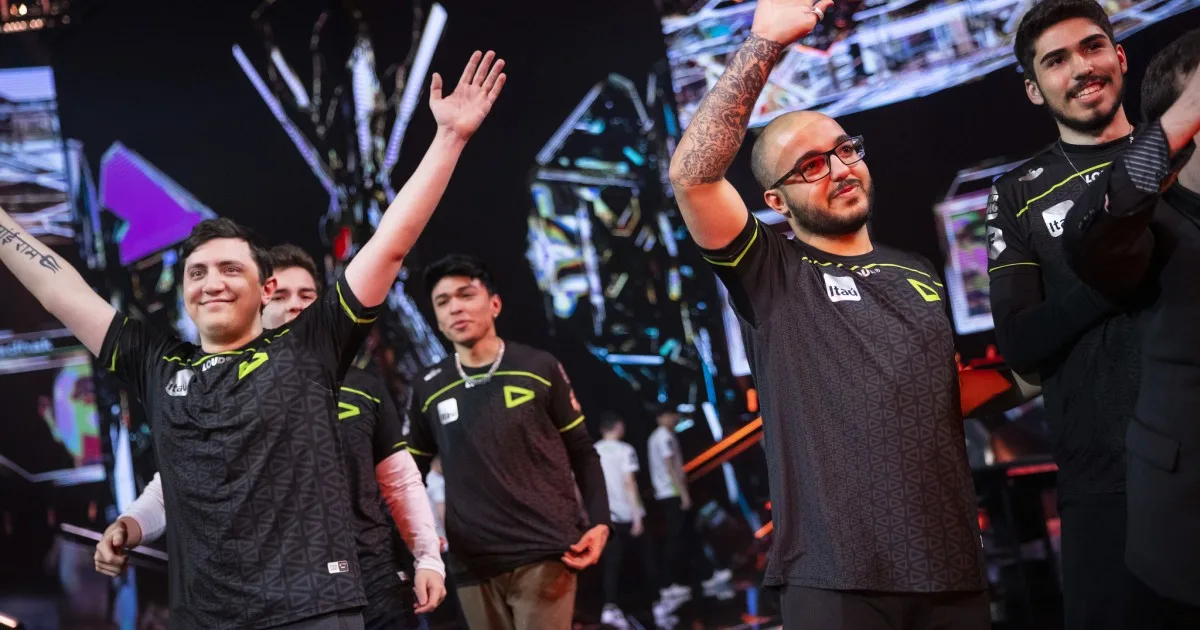
Riot Games has announced VCT 2027, a big rebuild of the VALORANT Champions Tour. The current setup leans heavily on leagues. The new one puts tournaments first, with open qualifiers, regional LAN events and shorter routes to Masters and Champions. VALORANT Esports Global Head Leo Faria sums it up in the announcement video: "Everything is a tournament."
To see why this matters, the page looks back at Ascension. In 2023, 2024 and 2025, teams outside the top leagues had one goal: reach VCT Americas, VCT CN, VCT EMEA or VCT Pacific. They had to get through their regional circuit, win Challengers, and then win Ascension. Only then could they chase a place at Masters and Champions.
Ascension was dramatic, but it was harsh. There was one chance a year. A team could play well for months, slip once near the end, and lose the whole year. The page points to Rare Atom, who finished runner-up in Ascension CN three times and still stayed outside the top tier.
The page calls 2026 a bridge year. The season still has Kickoff, Stage 1, Stage 2 and the global events. But Riot added a Path to Champions, which lets four Challenger teams in each region enter the Stage 2 playoff route toward Champions. The idea is to move away from promotion into Tier 1 and toward repeated direct runs at the biggest events.
In 2027, the road to every Masters and Champions event starts with open qualifiers for teams around the world. These may include community tournaments, partner events, collegiate events, Premier and more. The qualifiers feed into VCT Cups. Cups are LAN events that replace regular season league play. Each ends with a finals weekend for fans and sends teams straight to the biggest events. There will be two Cups per territory each year, eight in all.
Region still counts. Teams will probably need to pick a home region and stick with it. Kickoff stays too, but it will also be open to any team. Its qualifiers will be held in the last quarter of the year before, after Champions. The season runs in this order: Kickoff open qualifiers, Kickoff, Masters 1, open qualifiers, Cup 1, Masters 2, open qualifiers, Cup 2, Champions.
The page sees this as mixing two eras: the open circuit of early VALORANT in 2021 and 2022, and the partnership era of 2023 to 2026, which gave money and stability to chosen organizations. Riot even says that in extraordinary cases, top teams that are not partners could earn more than weaker partner teams. Tier two has long been criticized for weak support, and Riot seems to answer by merging everything into one tier. Masters Reykjavík 2022 champion Pujan "FNS" Mehta wrote on Twitter: "Open Qualifiers are the only reason I was able to make a team and make our way up to what you know as Envy/Optic."
Partnership stays. A new two-year partnership cycle starts in 2027. Teams will be judged on community growth, fandom and content resonance, business sustainability, operational excellence and competitive performance development. Partner teams keep real benefits. Some people will dislike that. The page argues that a fully open circuit sounds romantic, but a global esport needs reliable organizations that can carry the commercial side. The old problem was that partners sat too permanently at the center, and the page thinks loosening the gate answers that.
There is more money too. Total yearly prize pools will be over $6 million. Cup teams will get faster access to funds so they can cover visas and logistics. Part of the money will go to Game Changers.
There will be over 20 tournaments a year in more than 16 cities worldwide. Cups will use a mix of Riot studios and custom venues. This builds on recent seasons, when China toured seven cities this year and other leagues held season finals in different cities and countries. In 2027 the roadshow style becomes a core part of the calendar.
The page raises a worry here. Visiting more cities and countries could mean more visa and logistics trouble. These problems have long hit international esports, especially players and teams from countries with weaker passports. They still appear today, including for big organizations like Sentinels.
The page ends by calling VCT 2027 Riot's most ambitious answer yet to the access problem. It does not erase the hierarchy, but it makes the dream feel alive again. How open it really is depends on numbers not yet known, such as how many partner teams stay and how many Cup spots are open.
| what | value | as of |
|---|---|---|
| Host cities for the 2027 season | 15 | Announced 2026-10-15 |
| Cup 2 in Tokyo (Pacific) | August 5–29, 2027 | Announced 2026-10-15 |
| Cup 1 in Manila (Pacific) | April 29 – May 23, 2027 (one outlet lists May 21) | Announced 2026-10-15 |



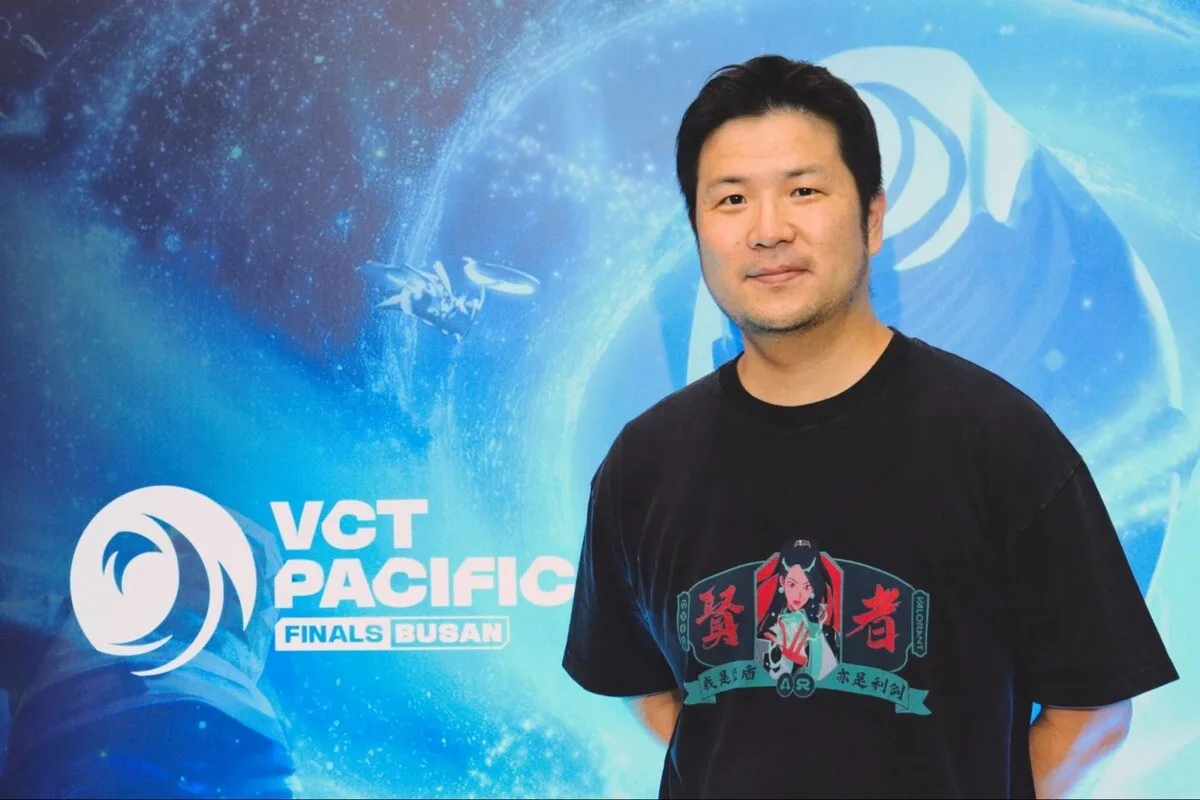
Riot Games has announced a new format for VALORANT esports in 2027. The Pacific league ran for four years, starting in 2023, next to the Japanese contest called VALORANT Challengers Japan. From next season the league ends and open tournaments take over. Ken Fujita, Riot's esports manager for Japan, looked back on those years.
Fujita named some high points: Masters Tokyo in 2023, and the Pacific Stage 2 Finals held in Japan in 2025. There were problems too. Japanese teams had only one road up to the top tier, the Ascension event, and it was very hard to win. Japanese fans also split up. Many followed the closer, home-grown Challengers teams, because the Japanese teams in the Pacific league were not winning. Challengers also had to fit between international events, which was hard on players and fans. Fujita said Japanese fans cheer for players win or lose, and Japan's streaming culture shows off player personalities.
The last Pacific Finals, in Busan, had three Korean teams among four. Fujita said playing in Korea was a burden for others, with different language, food and visas. Korea also has a longer esports history. He thinks the gap is shrinking.
Next year the league becomes regional Cups, similar to Masters and Champions. Each match will matter more, and a team that loses can try the next open qualifier soon after. Open teams that reach Kickoff, Cups, Masters or Champions will get set amounts of money from Riot, plus travel help, apart from prize money. Partner teams still get benefits, but they are judged again every two years and must keep proving their value. Next year's partner teams are still being chosen.
Riot cannot yet say anything about offline events in Japan next year. After the interview, Tokyo was named as the August Cups host.
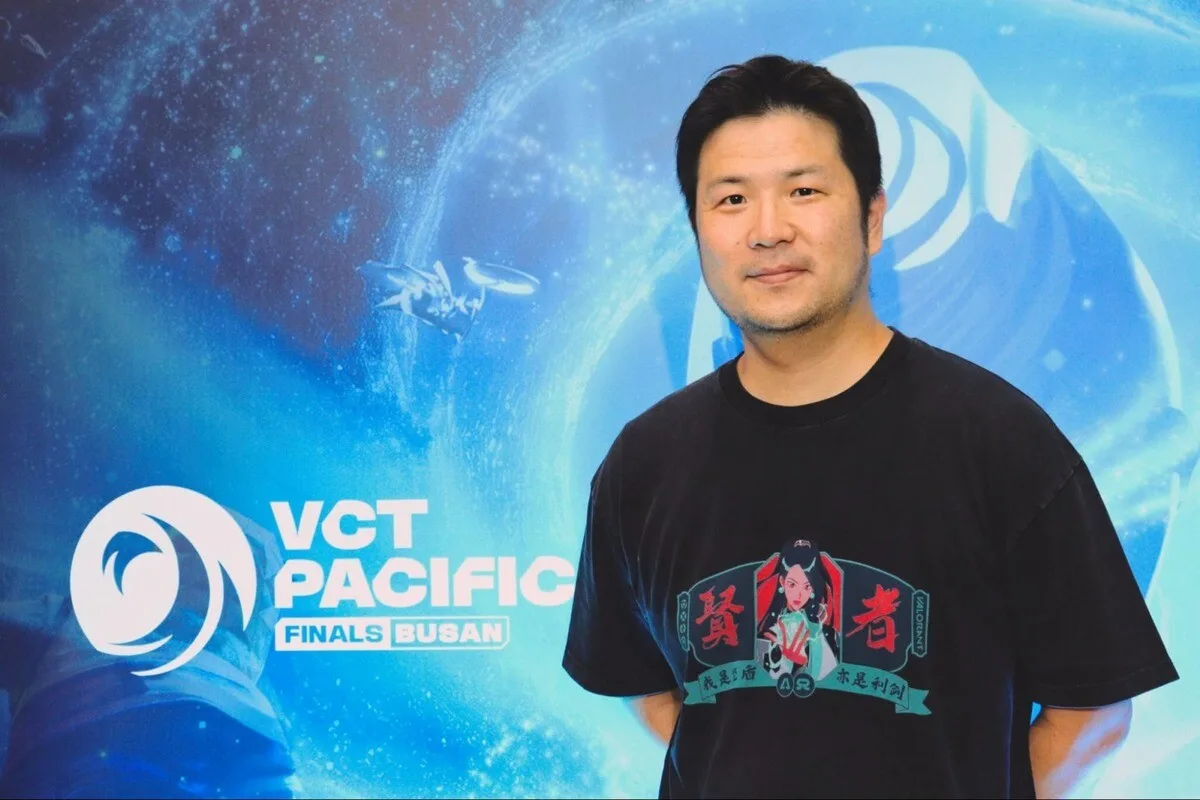
Riot Games has announced the new format for VALORANT esports in 2027. Since 2023, the Pacific international league and Japan's own Challengers Japan have run side by side for four years. Next season the league ends and open tournaments take over. Ken Fujita, Riot's Japan esports manager, looked back on those years.
He named big moments, such as Masters Tokyo in 2023, which ran for 10 days, and the Pacific Stage 2 Finals in Japan in 2025. But the top level was hard to reach, because Ascension was the only way up for Japanese teams. Fans also split, and many followed the home-grown Challengers teams while Japan's Pacific teams struggled. Challengers had to fit between international events, which tired players and viewers. Fujita said this was a reason for the change. Future games will be packed onto weekends that are easy to watch.
The Pacific finals in Busan had three Korean teams out of four. Fujita said living abroad is tough, and Korea has had deep esports support for longer. He thinks Japan is catching up.
The new Cups make every match matter more. Any team good enough can reach international events, and top Japanese teams will return home to play. Open teams that qualify will get money and travel help from Riot, apart from prize money. Partner teams still get perks, but they are reviewed every two years.
Partner teams for next season are still being chosen. Offline events in Japan are undecided, though a Cups stop in Tokyo in August has since been announced.
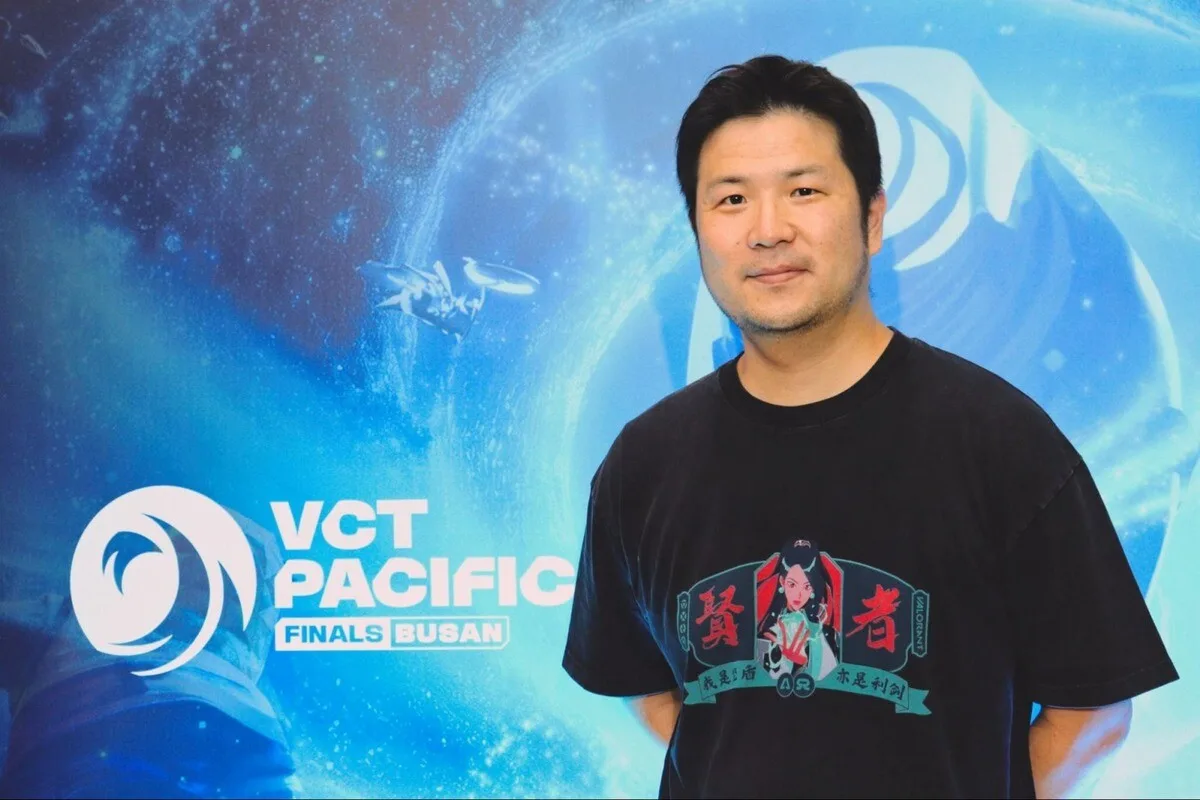
Riot Games announced a new format for its VALORANT esports season, called VALORANT Champions Tour 2027. The Pacific league began in 2023 and ran for four years, together with the Japanese contest VALORANT Challengers Japan. Now the league style ends and open tournaments take over. Ken Fujita, Riot's esports manager for Japan, looked back on those years.
He named some high points. Masters Tokyo was held in 2023, and in 2025 Japan hosted the Pacific Stage 2 Finals. But the path up was narrow. Japanese teams had only one way into Tier 1, called Ascension, and it was very hard to win. Fans also split up. Japan's partner teams in the Pacific league struggled, so many fans cheered for the closer Challengers teams. The Challengers schedule also had to fit between international events, which was a burden on players and viewers.
Fujita said Japanese fans are praised inside Riot for staying loyal whether a team wins or loses. Japan's streaming culture, which started years ago, shows off the players' personalities.
The final in Busan had four teams, and three were Korean. Fujita said living in Korea was hard for other teams because of language, food, visas and being far from family. Korea also has a long esports history and strong support systems. He believes the gap is shrinking.
In 2027, any team with enough skill can reach international events. Top Japanese teams, such as DetonatioN FocusMe and ZETA DIVISION, will come home to play domestically. The Pacific league becomes Cups, a short tournament in which every match matters. Open teams that qualify will get money from Riot, and the amount rises at each higher event. Partner teams are still being chosen and are reviewed every two years. Offline events in Japan for next year are not set, but Cups will be held in Tokyo in August.

